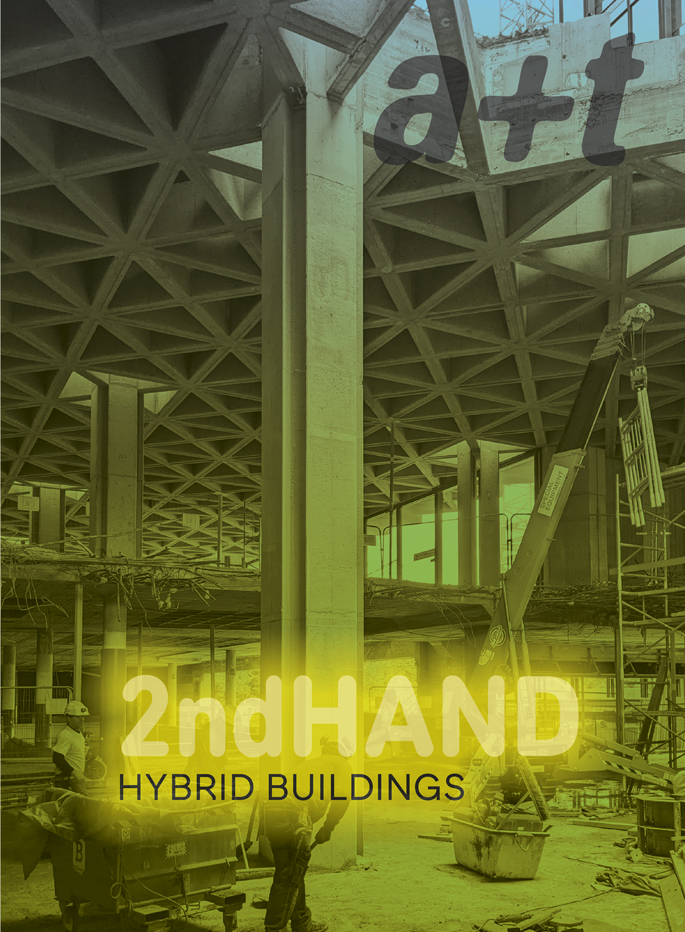
La serie 2ndHAND examina la transformación de edificios y entornos heredados desde una condición contemporánea: activar lo existente. Frente a modelos monofuncionales agotados, propone procesos abiertos que introducen nuevos usos, agentes y formas de gestión. Estas transformaciones asumen la ambigüedad, la fragmentación y la pérdida de coherencia como parte del proyecto.
(más...)


En este tercer número de la serie Frugality, -una respuesta crítica a las exigencias de la agenda medioambiental- la caza de componentes, la minería urbana y los materiales de origen biológico desestabilizan la noción de la arquitectura como producto acabado, proponiendo en su lugar un pensamiento alternativo sobre la materia, en el que diseñar es también negociar, traducir y comprometerse con los ciclos ecológicos y económicos.
En el contexto contemporáneo, conceptos como component hunting, urban mining y biosourced materials no designan simples estrategias técnicas, sino formas de redefinir la relación entre arquitectura, materia y proceso productivo.
(más...)


La conjunción de los recursos de los que dispone la arquitectura y la capacidad de recurrir a una finesse creativa es nuestra propuesta para este número de la serie Frugality, una respuesta crítica a la demanda de la agenda medioambiental.
Se trata de mecanismos sin coste, pura reflexión intelectual. La ausencia de componentes superfluos produce objetos desprovistos de revestimientos y de capas innecesarias. Construcciones simples que utilizan la pseudoartesanía del montaje industrializado, como un patrón personalizado para aportar identidad al resultado final.

(más...)

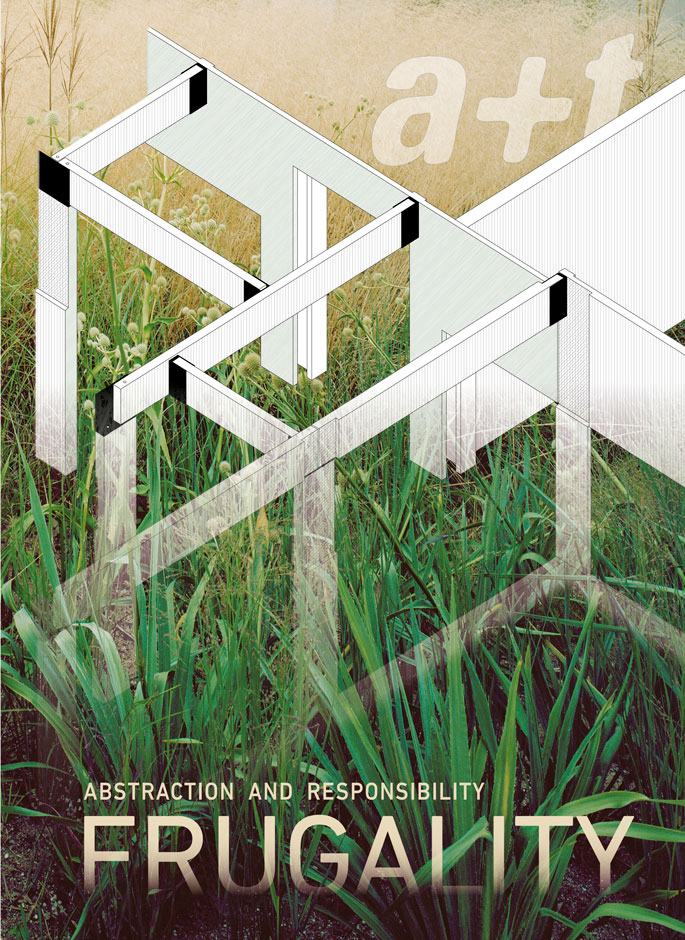
Frugalidad significa menos material, menos energía, menos gasto, mayor respeto medioambiental, mayor sinceridad constructiva y mayor honestidad social.
La frugalidad no la imponen los movimientos sociales, ni culturales, ni siquiera las trasformaciones políticas. Es la pura conciencia del momento de restricciones y de privaciones lo que condiciona la manera de actuar. La frugalidad está desmontando el carácter icónico y simbólico de la arquitectura. La impregna de una racionalidad básica, de un nuevo clasicismo sin estilo, de tecnología estandarizada y flexibilidad programática.
El primer número de esta nueva serie se titula Abstracción y Responsabilidad, rasgos esenciales de esta arquitectura frugal cuya única pretensión es convertirse en una estructura-cobijo de vida.
(más...)

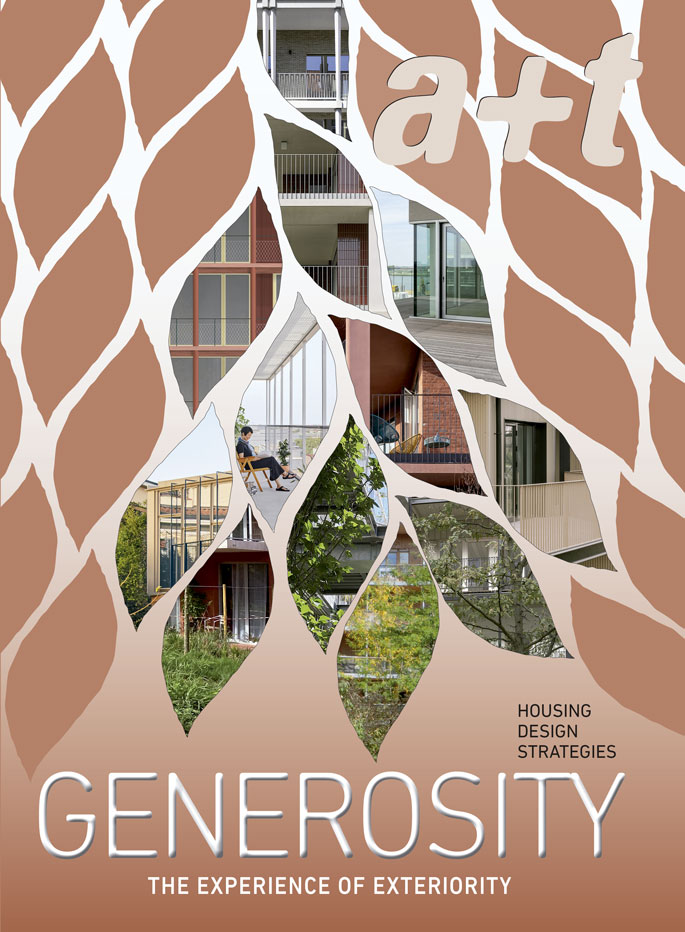
Los diferentes grados de la exterioridad doméstica se han modulado a lo largo del tiempo mediante las aperturas u oclusiones de la envolvente, con un momento clave: cuando el cerramiento se liberó de su función portante.
Contemplada desde la distancia, la fachada moderna tiene múltiples lecturas. No es lo mismo el ‘cuarto muro’ espeso y diafragmado de Le Corbusier que la fina cortina de vidrio de Mies.
La domesticidad contemporánea tantea la creación de umbrales para extender el dominio habitable fuera de la envolvente.
La tridimensionalidad permite construir espacios habitables dentro de una fachada con espesor.
Obras de Caruso St John Architects, Atelier Kempe Thill, Vivas Arquitectos, Henley Halebrown, Schneider Studer Primas, Studio Woodroffe Papa, MIA2, ITCHstudio + Vincenzo Di Salvia, MVRDV, Flint, y Duncan Lewis - Scape Architecture.
(más...)

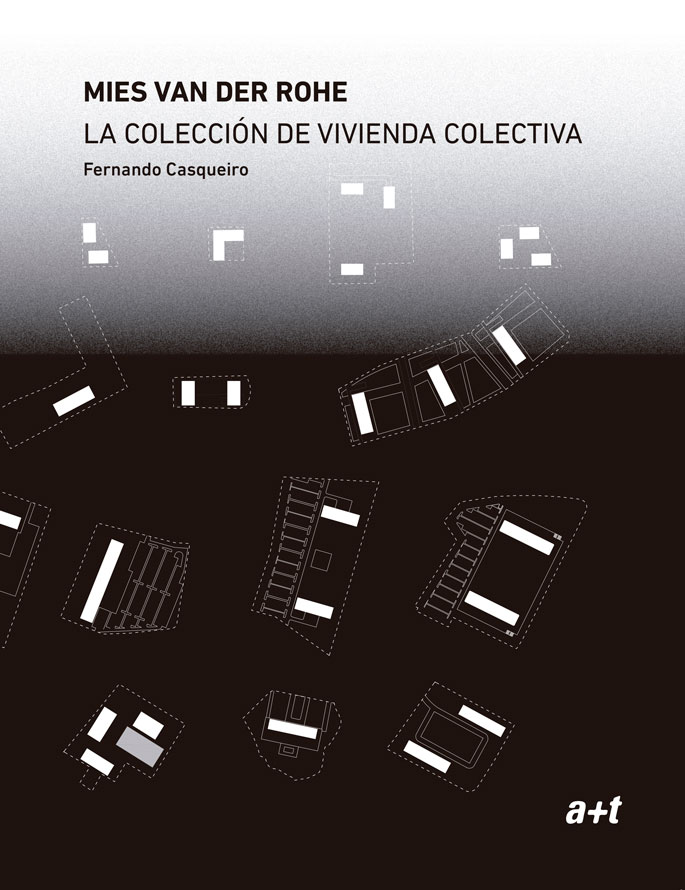
Desde sus primeros años en Alemania hasta el final de su vida en Estados Unidos, la vivienda colectiva ha estado muy presente en la obra de Ludwig Mies van der Rohe. La investigación realizada por Fernando Casqueiro, profesor de la ETSAMadrid, recopila, por primera vez, toda la colección de proyectos sobre vivienda colectiva.
Cada obra ha sido analizada redibujada y comparada sobre los mismos parámetros.
El resultado es un viaje a través de la creación y consolidación de una tipología, con el momento cumbre en 860-880 Lake Shore Drive y Lafayette Pavilion.
La colección la componen 36 proyectos, construidos o solo proyectados, que recorren la vida de Mies, la relación con sus clientes y la influencia de sus colaboradores, desde sus inicios en Berlín hasta su muerte en Chicago.
MIES VAN DER ROHE. LA COLECCIÓN DE VIVIENDA COLECTIVA es un volumen de referencia para conocer las innovaciones que aportó Mies a la composición de la planta moderna y su relación con la fachada.
(más...)

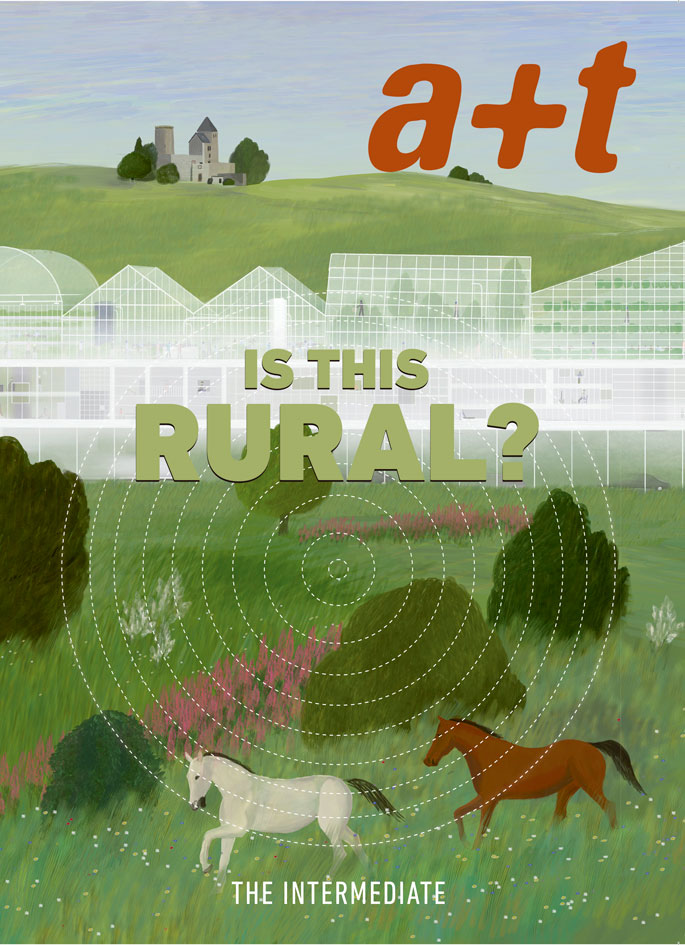
Las afueras, los márgenes, las periferias… lo mismo que el continuo, los exurbios, hinterland, las áreas periurbanas y los suburbios, son denominaciones que se superponen sobre el territorio y también semánticamente. Se designa así a todos esos espacios indeterminados que se nutren de los flujos cruzados entre la ciudad y el campo. Condensar en una palabra lo indeterminado supone una tarea imposible: la de nombrar la mezcolanza.
El anál.
(más...)

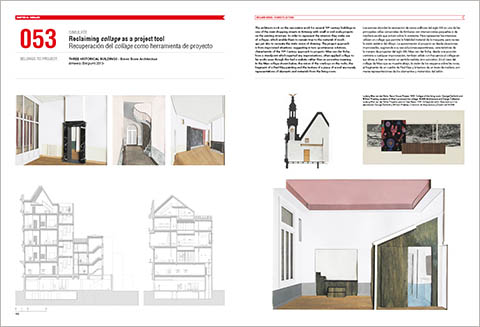
Boven Bouw aborda la renovación de varios edificios del siglo XIX en una de las principales calles comerciales de Amberes con intervenciones pequeñas o de mediana escala que actúan sobre lo existente. Para representar los interiores utilizan un collage que permite la fidelidad material de la maqueta, pero recrea la visión estática del dibujo...
(más...)

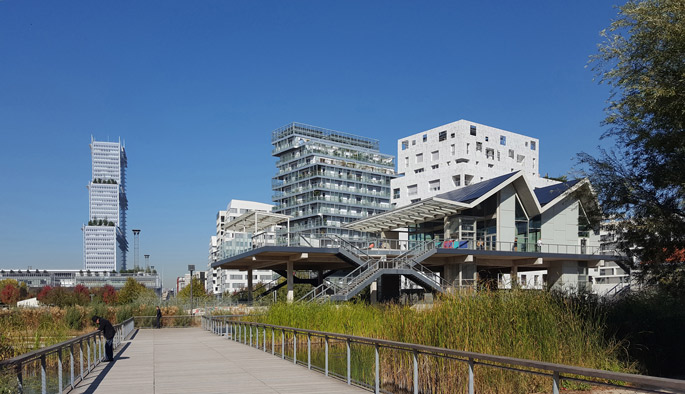
Obra incluida en: a+t 52 PARADISES. Serie Strategy.
.
(más...)

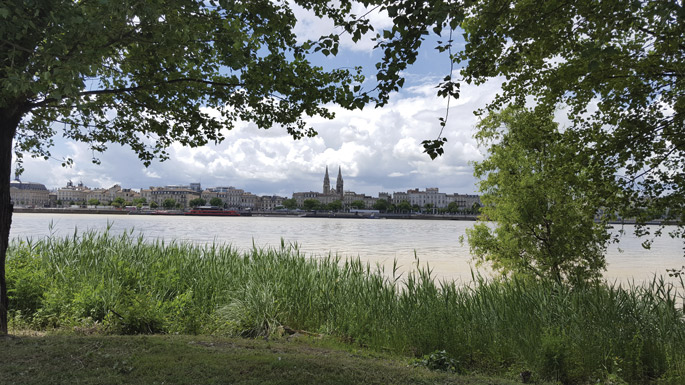
Obra publicada en: a+t 52 PARADISES. Serie Strategy
.
(más...)








 He leído y acepto las