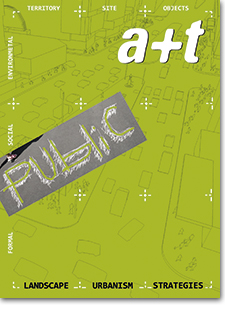
Strategy Public
Landscape Urbanism Strategies
a+t 35-36
ISSN 1132-6409
ISBN 978-84-614-2148-0
2010
Soft cover (23.5x32)
English/Español
320 Pages
Online version: 22.00 € How to read the online versions
You can also access this publication by subscribing to a+t Online Library
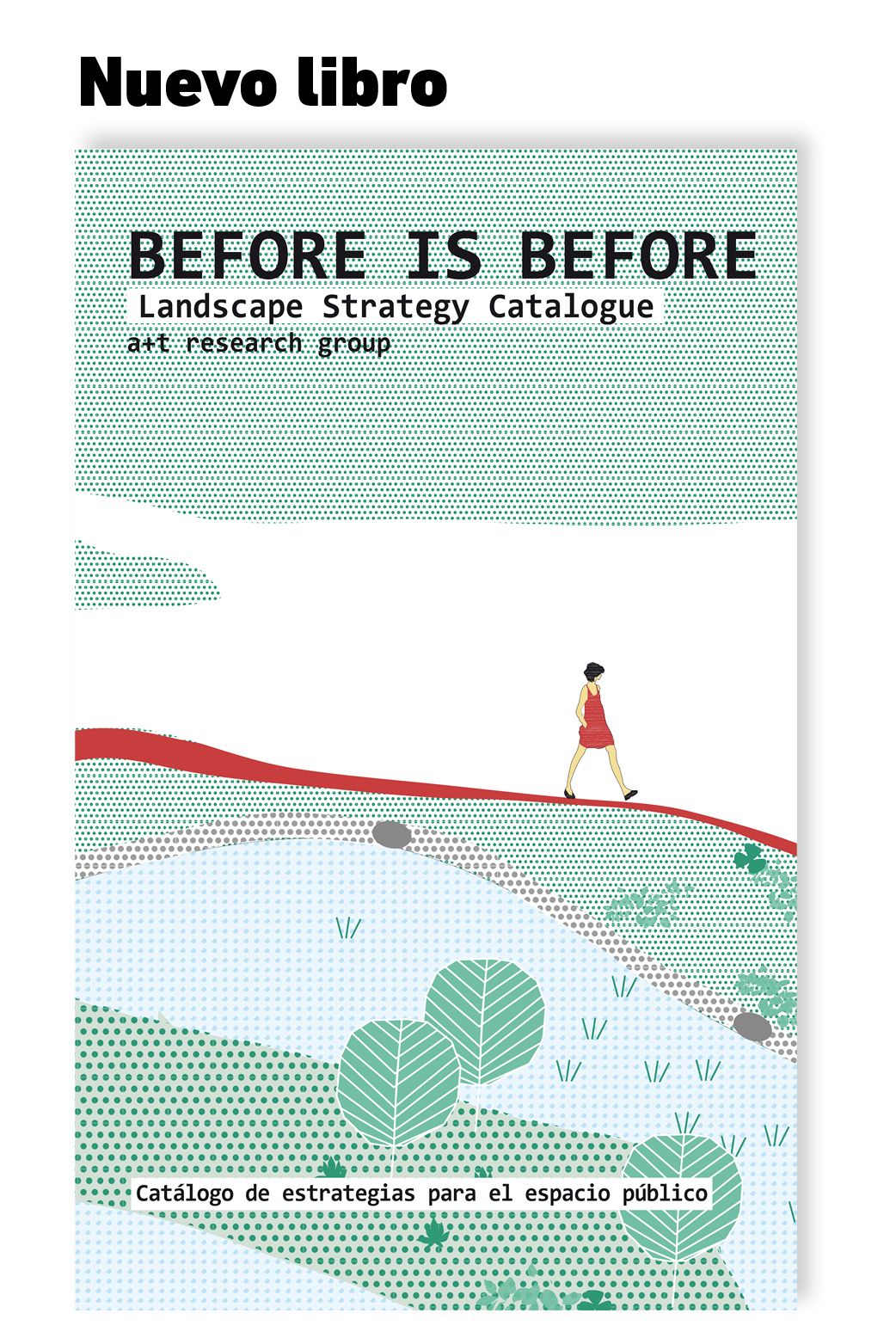
 In 2010, a+t magazine inaugurated the STRATEGY series with this double issue. Already sold-out in print version, it was the beginning of a research in the field of public space using project strategies.
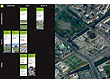
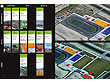
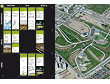
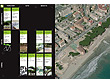
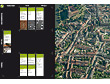
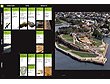
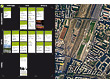
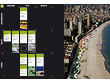
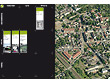
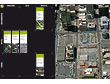
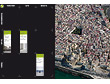
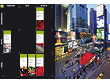
It contains 22 landscape architecture built works to which a grid of scalar areas and disciplinary origins that allows comparative vision is applied.

... This article covers two chapters of the Rehabitar project which refer to the street, to ground floor premises and to all that which makes it possible to consider them together. Domesticating the street aims to return the condition of public space to urban space, encouraging social relations through a reflection on the nature of the street itself, on the uses to which it can be put – recovering others which have been abandoned or banned- and on the ability of ground floor premises to give energy to the street.
As a rule, in our streets, there prevails a language belonging to an infrastructure: asphalt, streetlights, cars... Domesticating the street means taking it away from the setting of infrastructure and bringing it closer, through elements and activities, to its condition as a place, assuming all the complexity that this concept contains. If domesticate comes from domus in Latin, we could say that a “domesticated street” is one where one feels “at home”.
Modern architecture has often tried to mix the street and the house. But this has been done as a one-way trip, that of bringing the street closer to the house. What would happen now if we were to do this the other way around, bringing the house closer to the street, as suggested in the Paolo Veronese painting The Feast in the House of Levi which despite the title, describes an equivocally urban setting which nevertheless suggests domesticity through the activity and the attitude of its occupants?
We have realized that many of the uses which bring the house closer to the street are temporary. Does it make sense to limit our streets to a few uses when we can make many other uses compatible by using different schedules?
Everything fits into the street. Scenes of cities, in the streets of which vehicles, passers-by and diners co-exist, are a clear expression of this complexity which arises from the way of using public space pertaining to Southern Europe. With Rehabitar la calle (Re-inhabit the street) we propose this complex-free acceptance of an apparent disorder which is no more than the expression of our co-existence.
We want the design to be less specialized, less visible and more generic, suitable both for circulating and for playing, for street trading and for relaxing. We defend testing things before carrying them through, hence avoiding the expensive annoying works which constantly bother us. To test these new experiences all that is needed is a critical eye, will and maybe a couple of cones to stop the traffic...
REVIEWS
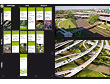
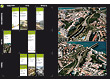
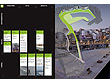
"Fantastic in its combination of photos and drawings. Here the strategies are layered across this content...literally, as the strategies are also placed next to relevant photos". John Hill, A Daily Dose of Architecture


-
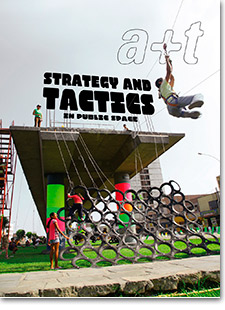
a+t 38
Strategy and Tactics in Public Space
26.00 €
> See more
-
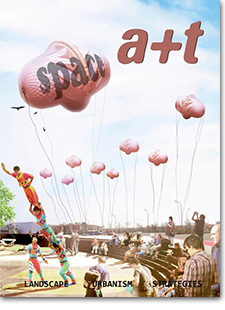
a+t 37
Strategy Space
25.00 €
> See more
-

a+t 37, 38
STRATEGY SERIES (Pack I)
51.00 €
> See more
-
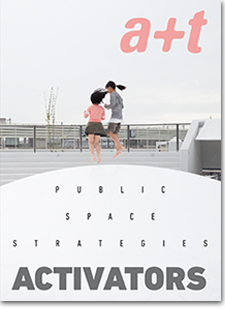
a+t 51
Activators
26.00 €
> See more
-
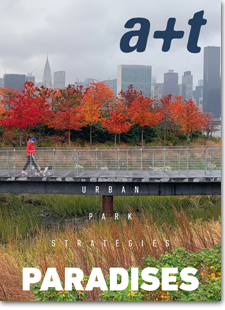
a+t 52
Paradises
26.00 €
> See more
-
a+t 51, 52
STRATEGY SERIES (Pack II)
52.00 €
> See more
-
a+t 37, 38, 51, 52
STRATEGY SERIES (Pack I + Pack II)
103.00 €
> See more
-
THE PUBLIC CHANCE
New urban landscapes
> See more



 I've read and agree to