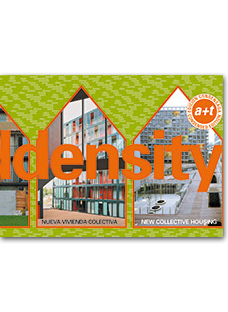
Density. Condensed edition
New collective housing
ISBN 84-611-1203-2
Density Series
Javier Mozas, Aurora Fernández Per
(23.5 x 17cm)
English/Español
2006
448 Pages
Online version: 19.00 € How to read the online versions
Choose version
- Online version: 19.00 €
- How to read the online versions
You can also access this publication by subscribing to a+t Online Library
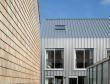
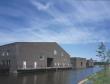
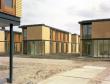
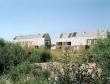
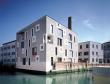
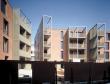
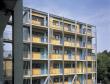
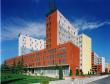
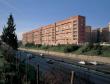
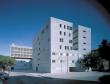
 Density Condensed edition was the first book of the Density series, which became a reference for publications about collective housing worldwide. The series analyses the projects because of their contribution to the dense city.
Density Condensed edition, which printed version is sold out after four reprints, is now available in online version.
Contents:
• 10 urban plans
• 65 built projects
• plans at scale 1:500
• details at scale 1:20
• comparative analysis considering layout and housing form
... The current debate on cities focuses mainly on the issue of density. Land is identified more and more as a precious asset that must be protected and used in the appropriate manner. The dichotomy between the dispersed city and the compact city, Sprawl versus Compactness, of some years ago, has affected urban planning and has conditioned everything, from the design of roads to policies involving the introduction of large companies that control consumption at a world level. But this debate is not new.
At the end of the 19th-century, the visionary solution of placing cities in the countryside proposed by Ebenezer Howard was nothing more than a utopian reaction to the overcrowding and destitution that consumed cities. At the beginning of the 20th century, in Central Europe, the confrontation was established in terms of Siedlungen against Höfe. The model of the Viennese Hof, with its self-sufficient super-block of dwellings, like a skyscraper laid flat on its back, inserted within the grid of the existing city, was in juxtaposition to the low density building, Siedlung, which colonised land around the perimeter of the city. The same argument, but with a different name, was maintained in Brussels, in 1930, at the III CIAM, on two conceptions of a city, i.e., the Garden City, or a city based on high-rise buildings. According to Walter Gropius, “low buildings, better with just one floor, should be located in the low-density outskirts of cities. Once their utility has been demonstrated, buildings with a rational height of from 10 to 12 floors and with centralised, collective facilities, should be located in low-density areas especially. Buildings of average height have neither the advantages of low constructions or tall constructions, to which it is inferior from the social, psychological and, in part, economic viewpoint.” (1) ...
... Blue eyes or brown, blonde hair or black, fair or dark skin –the details of the famous doll change to facilitate local identification for kids. But beyond the slight differences, Barbie’s body doesn’t change: the matrix stays the same. And if her vital statistics recall (in miniature, metric) those of Naomi Campbell (86-58-81) or Claudia Schiffer (96-62-92), before anything else her body represents a model: the universal sublimation of the standard young woman and her charms.
What is more, over and above her global body, the doll is really just a support for clothes; dressing her up entails casting her for a new role in a place, a climate or an event.
Shari, swim suit, sportswear or evening gown… Barbie’s clothes are like the skin of domestic architecture, a wardrobe to dress up an idealized typology and standardized functions. Each piece adds its note to the exterior, creating an atmosphere, a fantasy world, a scenography or a décor to support a story-line.
Standard human/standard house
Still in trauma, what with the urban and architectural wastelands created by mass-produced housing, New-Human n° 2 is bound to prefer difference to uniformity, meaning ‘the truth of what is specific… [since] the post-modern sensitivity perceives one fashion as being worth another, the patchwork of fashions signifying the effacement of modernity understood as the term of an evolution linked to progress’ (1) Today, ...




















































-
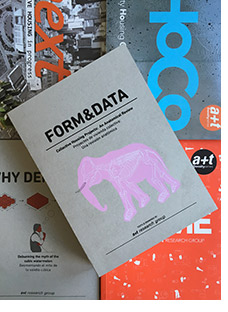
Density Series. The Classic Pack and The Elephant Pack
165.00 €
> See more
-
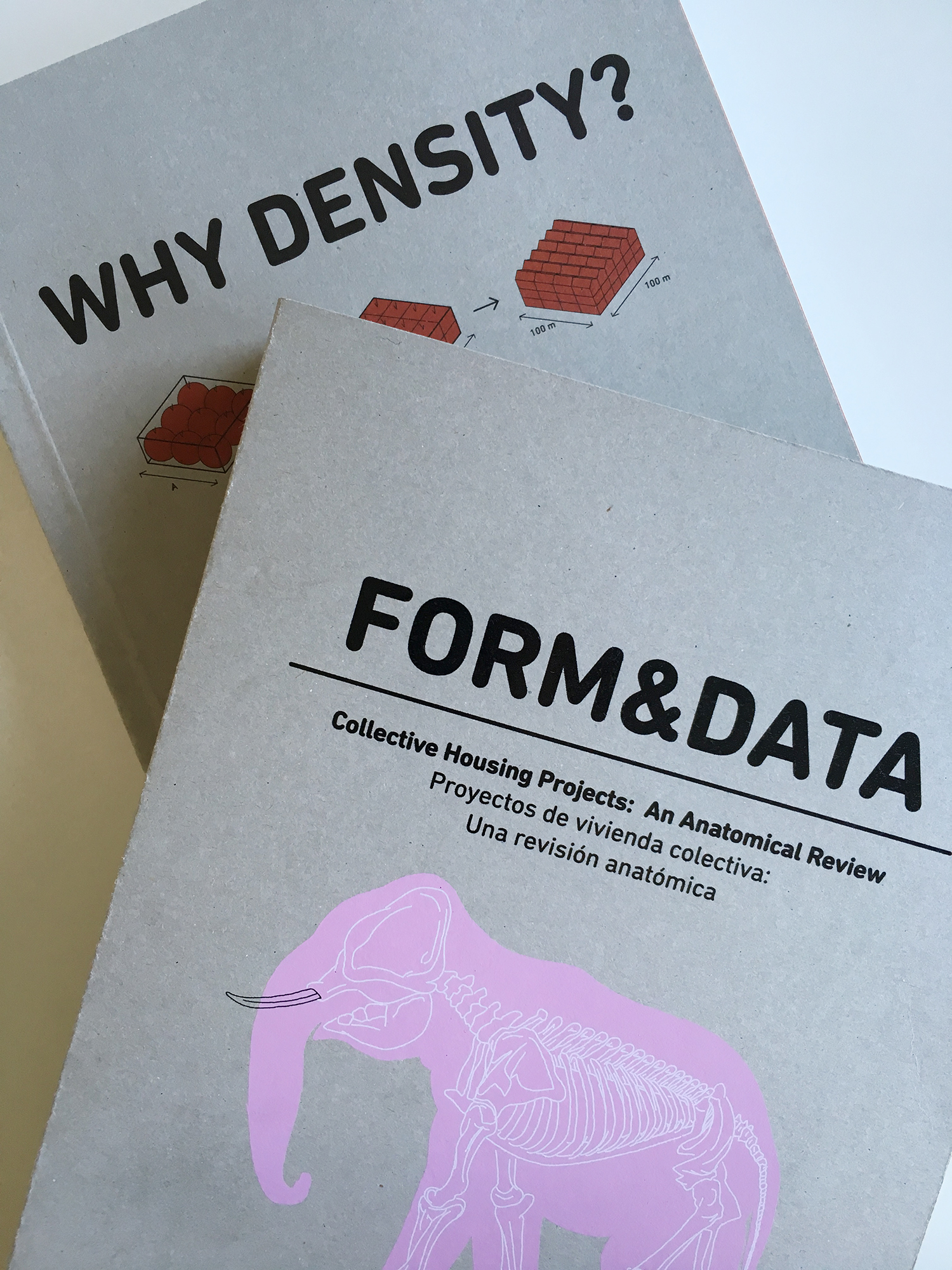
Density series. The Elephant Pack
Why Density? + Form&Data
78.00 €
> See more
-
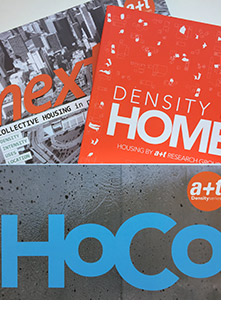
Density series
The Classic Pack
87.00 €
> See more
-
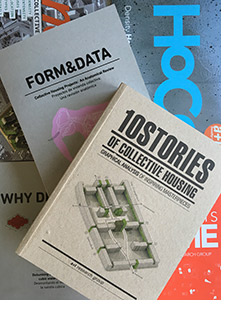
The All about Collective Housing Pack
Density series Classic Pack + The Elephant Pack + 10 Stories of Collective Housing
204.00 €
> See more
-
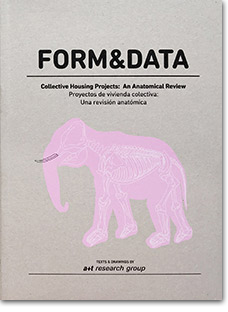
FORM&DATA
Collective Housing Projects: An Anatomical Review
39.00 €
> See more
-
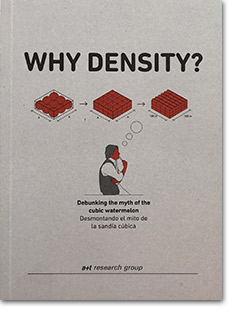
WHY DENSITY?
Debunking the myth of the cubic watermelon
> See more
-
DENSITY IS HOME
HOUSING BY a+t RESEARCH GROUP
29.00 €
> See more
-
NEXT
COLLECTIVE HOUSING in progress
29.00 €
> See more
-
HoCo
Density Housing Construction & Costs
29.00 €
> See more
-
Density projects
36 new concepts on collective housing
> See more
-
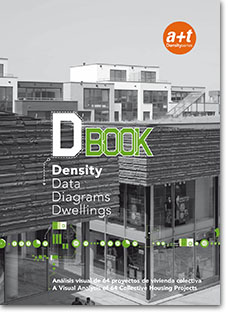
DBOOK
Density, Data, Diagrams, Dwellings
> See more
-
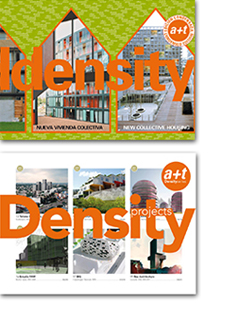
The Orange Pack
Density Condensed Edition + Density Projects
> See more
-
50 URBAN BLOCKS
22.00 €
> See more
-
50 HOUSING FLOOR PLANS
22.00 €
> See more
-
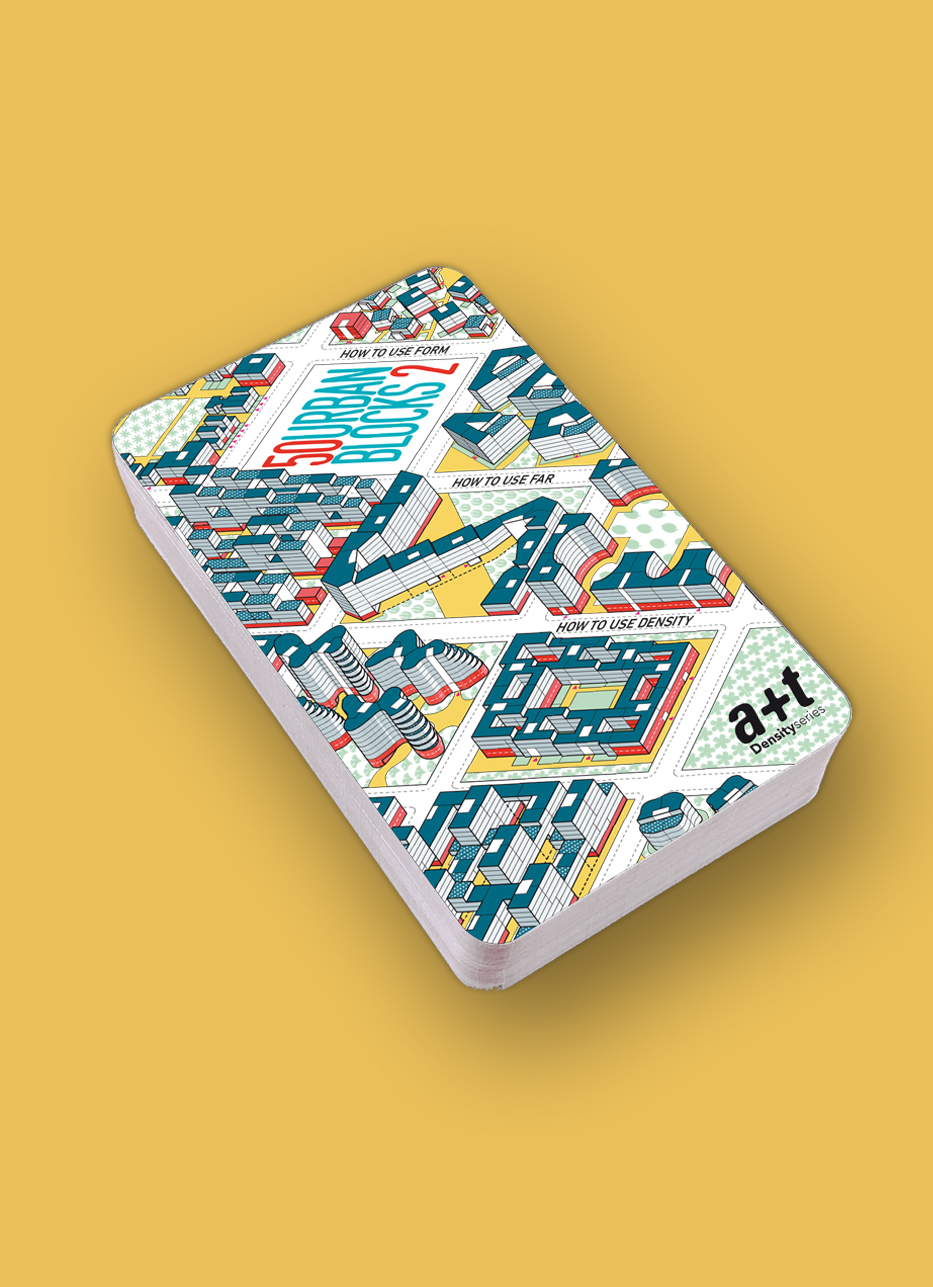
50 URBAN BLOCKS 2
How to use Form, Floor Area Ratio & Density
22.00 €
> See more



 I've read and agree to