Temporary architecture (2)
Campus (5)
Construction (69)
Costs (56)
Density (346)
Drawing (1)
Complex buildings (19)
Hybrid buildings (123)
Leaning (4)
Efficiency (9)
Remove (18)
Civic Facilities (84)
Schools (3)
Public spaces (181)
Exhibitions (1)
Grand Tour 1977 (5)
History (52)
Interior (48)
The City (75)
Low-cost (49)
Mix of Uses (27)
Moscow Tour (5)
Offices / Workspaces (65)
Organization (10)
Landscaping (152)
Prefab (11)
Recycle (23)
Retrieve (22)
Reduce (20)
Remediate the territories (44)
Refurbishment (86)
Reuse (60)
Simulate (7)
Sustainability (90)
Design techniques (27)
Japanese lineages Tour (18)
Multiple uses (12)
Housing (109)
Collective housing (475)
Collective Housing XX Century (6)
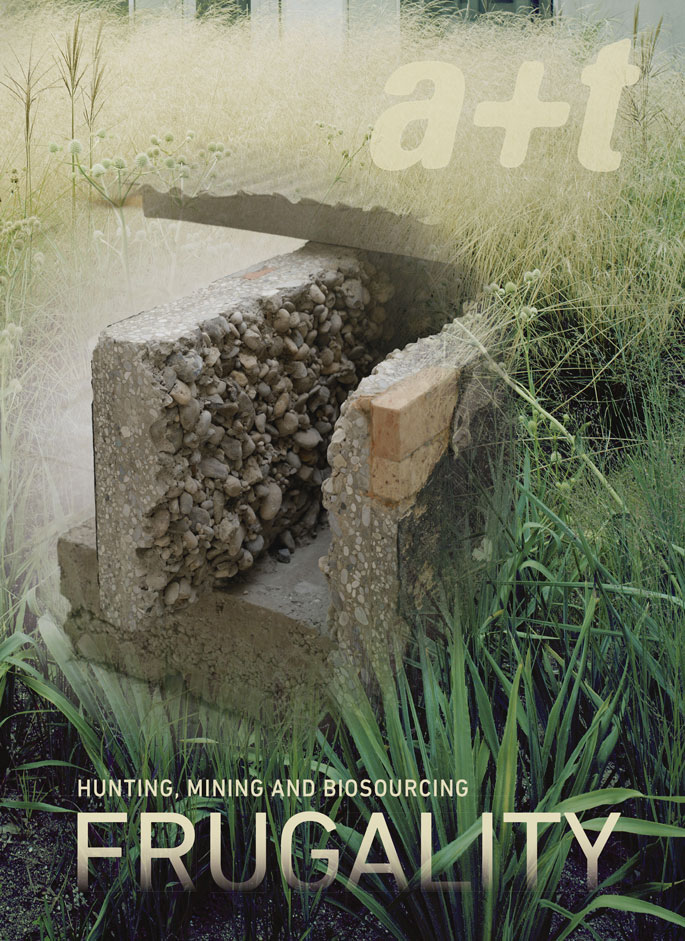
In this third issue of the Frugality series -a critical response to the demands of the environmental agenda- component hunting, urban mining, and biosourced materials- challenge the notion of architecture as a finite object, advancing instead a material ethic in which design becomes an act of negotiation, translation, and ecological and economic commitment.
In the contemporary context, concepts such as component hunting, urban mining, and bio-sourced materials do not merely denote technical strategies. Rather, they articulate ways of reconfiguring the relationship between architecture, materiality, and productive processes.

(more...)


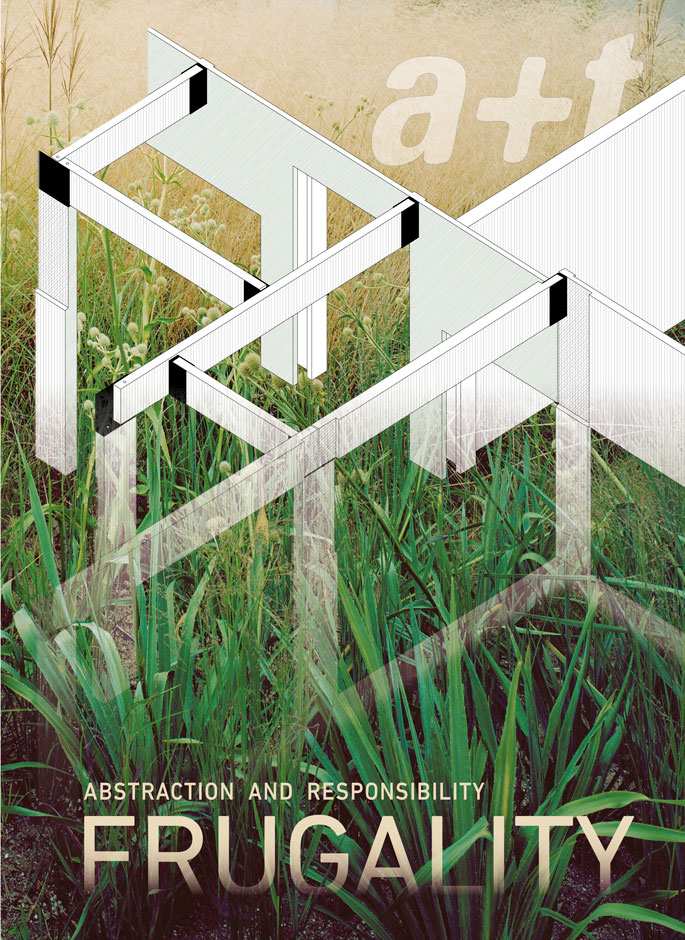
Frugality means less material, less energy, less expense, greater respect for the environment, greater constructive sincerity, and greater social honesty.
Frugality is not imposed by social or cultural movements, or even by political transformations. It is the pure awareness of the moment of restriction and deprivation that conditions the way of acting. Frugality is dismantling the iconic and symbolic character of architecture. It imbues it with a basic rationality, a new classicism without style, standardised technology, and programmatic flexibility.
The first issue of this new series is entitled Abstraction and Responsibility, the essential features of this frugal architecture whose sole aim is to become a structure-shelter of life.
(more...)
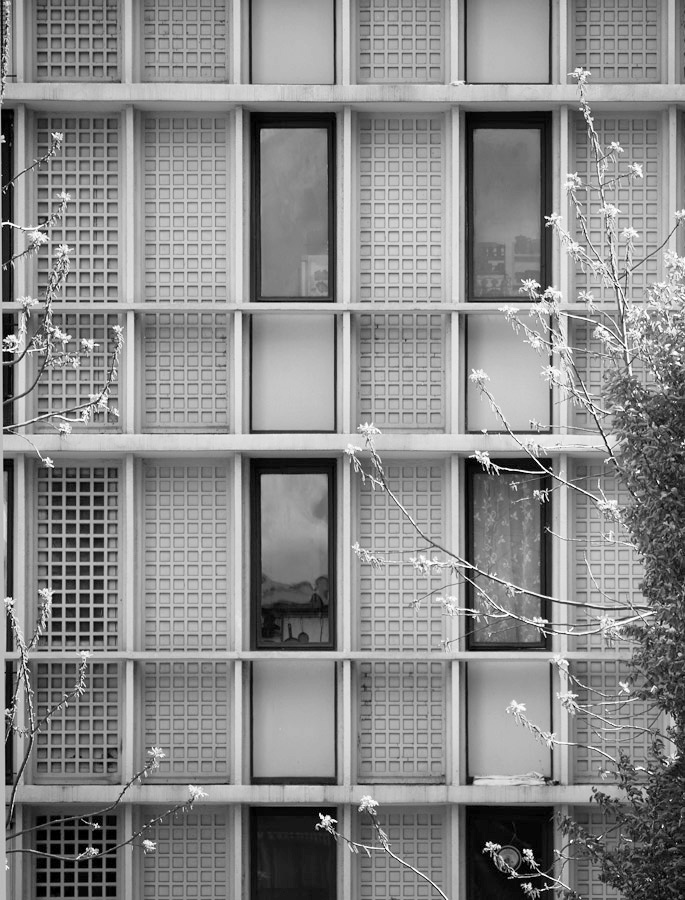
Fernand Pouillon. Résidence du Point du Jour. Paris, 1957-1963
“The facade reflects the pragmatism and standardization used for building the type. Modulating and simplifying the enclosure solution does not allow for any concessions to be made.
The north-facing facades are modulated using pre-cast concrete frames filled in with either glazed metal profiles or reinforced concrete lattice panels.
All the south modules are glazed and are set back so that the o.
(more...)
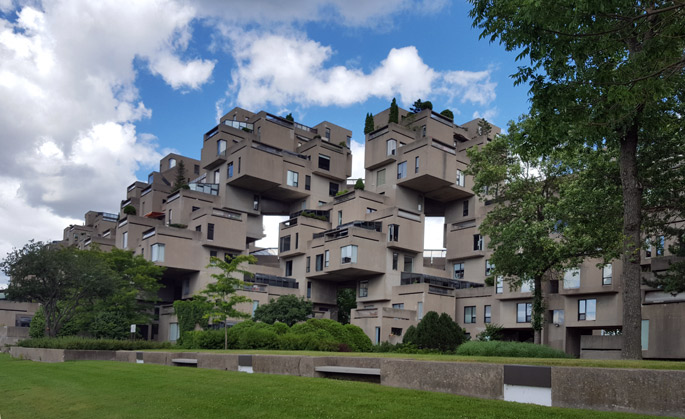
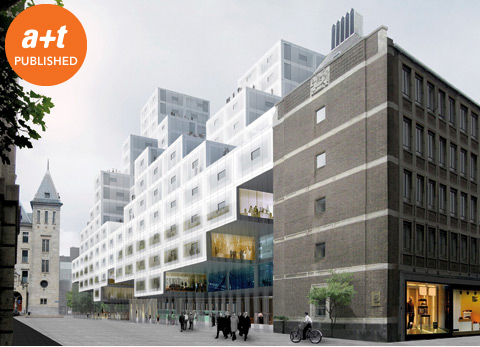
The proposed modular system offers high efficiency and versatility in both construction and programme. The equally-sized cells can be added or taken out of the structure according to the changing needs of the building, for residential or office use.
(more...)
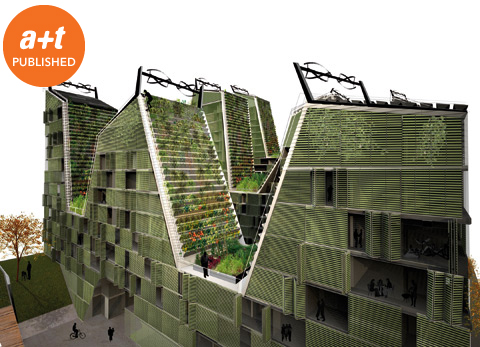
Forwarding Dallas is the result of a competition (Re:Vision Dallas) organised by three NGO s to transform a municipal car park.
(more...)
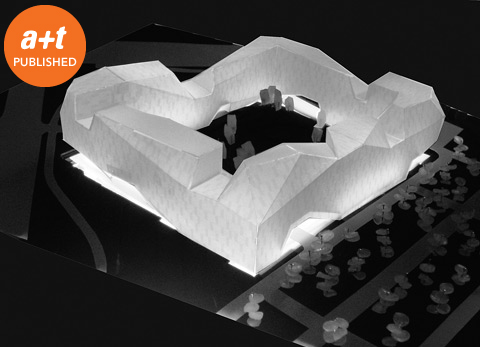
The building takes on the role of a geographic feature isolated in the landscape and is meant to be a highly volumetric rock, made up of non-coplanar plans.
(more...)
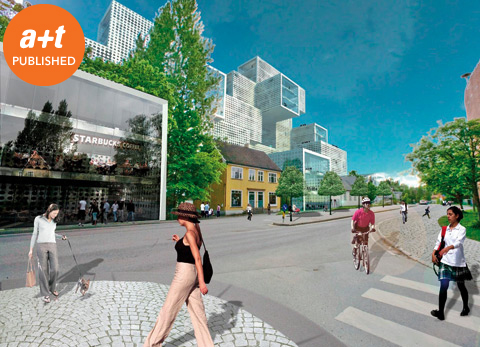
The intervention relates to previous experience from the 20th century which are now coming back.
(more...)







 I've read and agree to